The best compact microphone preamps give low-output microphones the clean gain they need without taking over your desk or recording bag. They are especially useful with dynamic and ribbon microphones, portable interfaces, mixers, and headphone setups.
This roundup compares 10 small preamps and boosters across gain range, noise performance, phantom-power support, connectivity, and portability so you can choose the right fit for your signal chain.
Best 10 Compact Microphone Preamps Picks for 2026
Best Overall
RO03 High-Gain Compact Mic Preamp

- 19–66 dB usable gain
- -120 dBV EIN noise rating
- XLR, TRS, TS, and Type-C connectivity
Best For: Home studios and portable recording setups needing flexible gain and inputs
Most Portable
ME1 Adjustable Electret Mic Amplifier

- 0–20 dB adjustable gain
- Over 10 hours of battery use
- 3.5mm input and output
Best For: Mobile creators using electret microphones and compact 3.5mm setups
Best In-Line Booster
Coda MB-Stealth 28 dB Mic Booster
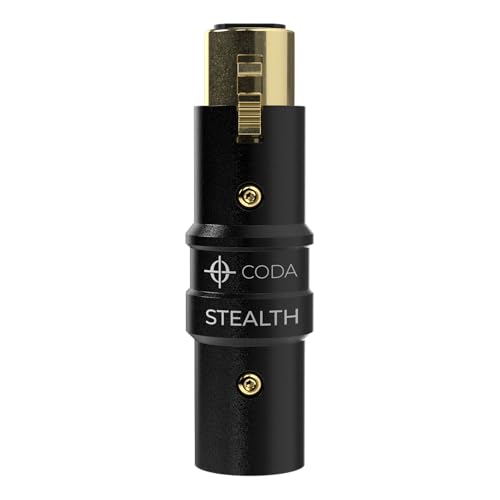
- Adds 28 dB of gain
- For dynamic and ribbon microphones
- Powered by 48V phantom power
Best For: Users needing a simple gain boost for low-output dynamic or ribbon mics
Best Value Booster
StudioMan DPM1 XLR Dynamic Mic Preamp

- Adds 29 dB of gain
- Rugged metal XLR adapter design
- Requires 48V phantom power
Best For: Dynamic and ribbon mic users seeking a simple XLR signal boost
Ultra-Compact Listening Amp
YWBL-WH High-Gain Microphone Amplifier

- ALC control with high-gain amplification
- 3.5mm connection for phones and headphones
- 65 x 53 x 25mm portable aluminum-alloy design
Best For: Mobile recording and headphone listening
Flexible Studio Interface
MIC-1 75dB Low-Noise Mic Preamp

- Up to 75dB gain with -120dB EIN
- 48V phantom power for condenser microphones
- Balanced XLR plus 3.5mm outputs
Best For: Vocal recording and flexible compact studio setups
Inline Signal Booster
28dB Dynamic Microphone Preamp

- Adds 28dB to dynamic microphone signals
- Extremely small 3.8-inch inline design
- Lightweight 0.317-ounce construction
Best For: Simple portable dynamic-mic signal boosting
StudioMan CL-100

- 25dB clean gain for dynamic and passive ribbon mics
- Balanced XLR I/O with 48V phantom compatibility
- Shielded metal housing with 10Hz–20kHz response
Best For: Dynamic microphones, passive ribbon mics, podcasts, and mobile recording
Fosadyn Balanced Preamp

- 20dB clean, transparent gain
- Works with dynamic and condenser microphones
- Balanced low-noise circuit in a metal case
Best For: Portable studio, podcasting, streaming, and general XLR boosting
Rechargeable Dual-Input Preamp

- Rechargeable design for portable use
- Two inputs plus 48V microphone power
- Low-noise balanced circuit with metal housing
Best For: Mobile recording, streaming, podcasts, and dual-microphone setups
Best Overall – RO03 High-Gain Compact Mic Preamp
The RO03 is a versatile choice for anyone comparing compact microphone preamps for studio, streaming, vocal, or instrument recording. It offers 19–66 dB of usable gain, an ultra-low-noise EIN rating, Type-C power, and XLR, TRS, and TS connectivity.
Best For: Home studios and creators who need substantial gain plus microphone and instrument flexibility.
Pros:
- 66 dB maximum gain with a stated -120 dBV EIN noise floor.
- Supports dynamic, condenser, and ribbon microphones, plus instruments.
- 1MΩ instrument input improves DI performance.
- Type-C power helps suit portable recording setups.
Cons:
- The two input ports cannot be used simultaneously.
- Best noise performance depends on connecting to an interface’s TRS line input with a suitable cable.
With its broad compatibility and practical gain range, the RO03 is the most capable all-around option here, especially when clean signal boosting and instrument connectivity matter.
Most Portable – ME1 Adjustable Electret Mic Amplifier
The ME1 is a small, straightforward option among compact microphone preamps, using a 3.5mm input and output for simple sound boosting. Its built-in bias, adjustable 0–20 dB gain, and rechargeable battery make it convenient for mobile creators and basic microphone setups.
Best For: Musicians, podcasters, and content creators using electret microphones with 3.5mm connections.
Pros:
- Compact and portable design.
- Built-in 150mAh battery provides more than 10 hours of use.
- Adjustable gain from 0 to 20 dB.
- 3.5mm input and output support independent or mixed output setups.
Cons:
- Its 3.5mm interfaces are less suited to standard XLR studio microphones.
- It provides less maximum gain than the other preamps in this roundup.
The ME1 favors convenience over studio-style connectivity. Choose it when battery-powered operation and a compact 3.5mm workflow are more important than high gain or XLR integration.
Best In-Line Booster – Coda MB-Stealth 28 dB Mic Booster
The Coda MB-Stealth is an in-line choice for users who need extra level from a dynamic or ribbon microphone. As compact microphone preamps go, it is notably simple: place it between the microphone and interface, then use the interface’s 48V phantom power to obtain 28 dB of gain.
Best For: Dynamic and ribbon microphone users who want a compact, clean gain boost without replacing their interface.
Pros:
- Adds 28 dB of stated clean gain.
- Uses standard XLR connections and 48V phantom power.
- Compact aluminum housing suits streamlined recording or streaming rigs.
- Designed to reduce hiss and hum while preserving microphone character.
Cons:
- It does not work with condenser microphones.
- It requires an audio interface or mixer capable of supplying 48V phantom power.
- It offers a fixed gain level rather than adjustable gain.
The MB-Stealth is a focused solution rather than a general-purpose preamp. It makes the most sense for low-output dynamic or ribbon microphones that need a moderate, plug-and-play signal lift.
Best Value Booster – StudioMan DPM1 XLR Dynamic Mic Preamp
The StudioMan DPM1 is a compact XLR adapter-style booster designed to add gain before the signal reaches an interface or mixer. It delivers 29 dB of gain for compatible dynamic and ribbon microphones, making it a practical option when a low-output mic is forcing you to push a noisier preamp.
Best For: Podcasters, streamers, vocalists, and live-sound users with dynamic or ribbon microphones and 48V phantom power available.
Pros:
- Provides 29 dB of clean, transparent gain.
- Plug-and-play male-to-female XLR design is easy to insert into an existing signal chain.
- Metal housing helps with durability and interference shielding.
- Includes a stated one-year manufacturer warranty and technical support.
Cons:
- Strictly not for condenser microphones.
- 48V phantom power is required and is not included.
- It is intended for compatible XLR microphone setups rather than instruments or 3.5mm sources.
The DPM1 is a focused, rugged gain booster for standard XLR rigs. Its 29 dB lift and metal construction make it a strong fit for users who want a simple way to improve headroom without upgrading an entire interface.
Ultra-Compact Listening Amp – YWBL-WH High-Gain Microphone Amplifier
For shoppers comparing compact microphone preamps for basic recording or headphone monitoring, the YWBL-WH focuses on portability and simple 3.5mm connectivity. Its ALC automatic control and high-gain amplification are designed to make weak sounds easier to hear.
Best For: Mobile recording, headphone listening, and users who prioritize a very small footprint.
Pros:
- Compact 65 x 53 x 25mm design is easy to store and carry.
- ALC automatic control and up to 1000x amplification support weak-signal listening.
- 3.5mm interface can connect to smartphones and headphones.
- Aluminum-alloy shell offers a sturdy, polished enclosure.
Cons:
- 3.5mm connectivity is less suited to professional XLR-based setups.
- The supplied notes do not specify compatibility with particular smartphone models.
- Its intended use is focused on headphone listening and mobile recording rather than a full studio feature set.
The YWBL-WH is a practical choice when size and straightforward mobile connectivity matter most. It is better suited to portable listening and simple recording than to a multi-input studio rig.
Flexible Studio Interface – MIC-1 75dB Low-Noise Mic Preamp
Among compact microphone preamps, the MIC-1 stands out for its broad gain range, phantom power, and multiple output options. It provides up to 75dB of gain, supports dynamic and condenser microphones, and combines balanced XLR output with 3.5mm connections for portable devices.
Best For: Vocal recording, low-output dynamic microphones, and compact setups that need both XLR and auxiliary outputs.
Pros:
- Up to +75dB gain and -120dB EIN are specified for quiet-source recording.
- 48V phantom power supports compatible condenser microphones.
- Balanced XLR output helps with longer studio cable runs.
- 3.5mm mic and line outputs support compact audio devices.
Cons:
- The two input ports cannot be used simultaneously.
- It is a preamp rather than a complete recording interface with built-in software controls.
- The supplied details do not specify included cables or power accessories.
With its metal enclosure, portable size, warranty coverage, and flexible output choices, the MIC-1 is the most versatile option here for a small recording chain. Confirm your input and output requirements before buying, particularly if you need simultaneous inputs.
Inline Signal Booster – 28dB Dynamic Microphone Preamp
If you need a simple way to add level to a dynamic microphone, this inline preamp supplies 28dB of gain in an especially small form factor. It is one of the more minimal compact microphone preamps, measuring 3.8 x 0.4 x 0.4 inches and weighing just 0.317 ounces.
Best For: Dynamic-microphone users who want a lightweight inline signal boost.
Pros:
- Adds 28dB of gain to a dynamic microphone signal.
- Very small, lightweight design is easy to carry.
- Simple black finish and inline form factor suit unobtrusive setups.
Cons:
- The supplied information does not list phantom-power support or output options.
- It is specifically described as a dynamic-microphone signal booster, so broader microphone compatibility is not established.
- No additional controls or performance specifications are provided in the notes.
This preamp makes sense when the goal is a straightforward 28dB boost without adding much size or weight. Buyers needing phantom power, multiple connections, or detailed noise specifications should consider a more fully featured unit.
StudioMan CL-100 – Compact 25dB XLR Booster
The StudioMan CL-100 is one of the more purpose-built compact microphone preamps for dynamic microphones and passive ribbon mics. Its 25dB gain boost, balanced XLR connectivity, and compact metal housing make it a practical choice when a low-output microphone needs a cleaner, stronger signal.
Best For: Dynamic microphones, passive ribbon mics, home studios, podcasts, live streaming, and mobile recording setups.
Pros:
- Provides up to 25dB of clean gain for low-level microphone signals.
- Uses balanced XLR input and output and supports 48V phantom power.
- Compact, lightweight metal housing offers EMI/RFI shielding and portability.
- Wide 10Hz–20kHz frequency response and high-headroom operation support full-range recording.
Cons:
- Designed specifically for dynamic and passive ribbon microphones rather than being a universal preamp solution.
- Its XLR-only connections may require adapters or additional gear in some setups.
The CL-100 stands out when you need substantial gain in a small, durable enclosure. It is especially well suited to users pairing a dynamic or passive ribbon microphone with an interface, mixer, or recorder.
Fosadyn Balanced Preamp – Compact 20dB Mic Booster
This compact microphone preamp provides a straightforward 20dB gain boost for vocal and instrument recording chains. Its balanced circuitry is designed for low-noise operation, while 48V power support allows it to work with both dynamic and condenser microphones.
Best For: Home and professional studios, podcasting, live streaming, and users who need a portable XLR microphone booster.
Pros:
- Offers 20dB of clean, transparent gain.
- Supports both dynamic and condenser microphones with 48V power.
- Fully balanced circuitry is designed to minimize noise and sonic coloration.
- Lightweight black metal casing helps with portability and EMC interference reduction.
Cons:
- Provides less gain than the 25dB StudioMan CL-100.
- The supplied notes do not specify frequency response or impedance figures.
This preamp is a sensible option for buyers seeking a simple, lightweight signal booster with broad microphone compatibility. Its balanced design and metal case make it well suited to compact recording, streaming, and broadcast setups.
Rechargeable Dual-Input Preamp – Portable 20dB Mic Booster
Among compact microphone preamps, this rechargeable model is notable for its portable design and two-input configuration. It delivers 20dB of balanced gain, supports 48V power for dynamic and condenser microphones, and uses a low-noise metal enclosure for recording and live applications.
Best For: Portable recording, home studios, professional studios, podcasting, live streaming, and setups needing two inputs.
Pros:
- Rechargeable design supports use away from a fixed power source.
- Two inputs provide added flexibility for compatible microphone setups.
- 20dB balanced gain is designed to remain clean and transparent.
- Supports 48V power and both dynamic and condenser microphones.
Cons:
- Its 20dB gain is lower than the 25dB offered by the StudioMan CL-100.
- Battery runtime and recharge time are not specified in the supplied details.
- The supplied information does not identify the included charging accessories.
The rechargeable power source and dual-input layout give this preamp a practical edge for mobile or flexible setups. Consider it when portability and microphone compatibility matter more than maximum available gain.
How We Picked These Compact Microphone Preamps
We focused on compact models that solve a practical problem: increasing microphone level before it reaches an interface, mixer, recorder, or listening device. The selection includes in-line XLR boosters, standalone microphone preamps, 3.5mm amplifiers, and rechargeable designs.
Our comparison emphasizes published gain, noise claims, input and output connections, phantom-power requirements, microphone compatibility, power options, and ease of installation. Because specifications and included accessories can vary, verify the current listing before buying.
Quick Comparison
| Best For | Look For | Typical Design |
|---|---|---|
| Low-output dynamic microphones | 25–30 dB clean gain | In-line XLR booster |
| Very quiet recording | High gain and low EIN | Standalone preamp |
| Condenser microphones | 48V phantom power | Powered XLR preamp |
| Headphones or small devices | 3.5mm input/output and suitable voltage | Miniature amplifier |
| Mobile or flexible setups | Rechargeable battery or broad power support | Portable preamp |
Key Buying Factors for Compact Microphone Preamps
Gain and Headroom
Choose enough gain to bring your microphone to a healthy recording level, but avoid using maximum boost unnecessarily. Around 20–30 dB is often suitable for an in-line dynamic-microphone booster, while quieter sources may benefit from a higher-gain standalone unit. Leave headroom to prevent clipping on loud speech, vocals, or instruments.
Noise Performance
Extra gain also raises the noise floor. Look for low-EIN specifications when available, and consider a model with clean gain rather than relying on extreme amplification. Place the preamp close to the microphone and keep unnecessary cable length short.
Connections and Microphone Support
Confirm whether the unit uses balanced XLR, 3.5mm connections, or both. Dynamic microphones generally need gain but not phantom power. Condenser microphones may require 48V phantom power, while some ribbon microphones need careful checking before phantom power is applied.
Power and Signal-Chain Compatibility
Some in-line boosters draw power from phantom power, while others require an external adapter, battery, or USB-style supply. Make sure your interface or mixer can provide the required power, and check whether the preamp should sit before or after other equipment in your chain.
Who Should Buy Which Compact Microphone Preamps?
Choose an in-line XLR booster if you already have a compatible interface and mainly need additional gain for a dynamic microphone. Choose a high-gain standalone preamp if you record quieter sources, use multiple microphones, or want more control over phantom power and inputs. A 3.5mm amplifier is better suited to electret microphones, compact recorders, and headphone-oriented setups.
For portable work, prioritize rechargeable or low-voltage models. For a fixed studio, prioritize low noise, balanced connections, durable housing, and dependable power compatibility. Before ordering, confirm connector direction, phantom-power requirements, included cables, and the gain range needed by your specific microphone.
