Choosing the right drawing tablet can make sketching, illustrating, photo editing, and note-taking feel far more natural. The best option depends on your workflow, your desk space, and whether you want a pen display or a tablet without a screen.
In this roundup, we focus on practical buying decisions: portability, pressure sensitivity, shortcut controls, screen size, and value. Whether you are just starting out or upgrading your creative setup, there is a tablet here for your needs.
Best 10 Drawing Tablets Picks for 2026
Compact Starter Tablet
Wacom Intuos Small Wired Graphic Drawing Tablet
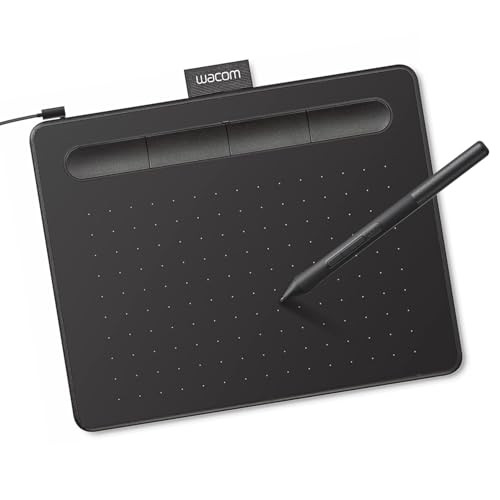
- Battery-free Wacom pen with 4,096 pressure levels
- 6" x 3.7" active area for compact desks
- Works with Windows, Mac, Android, and Chromebook
Best For: Beginners, students, and teachers who want a compact wired tablet
Large Workspace Pick

- 10 x 6 inch active area with papery texture surface
- 16,384 pressure levels for detailed strokes
- 8 customizable express keys for shortcuts
Best For: Budget artists who want a large drawing area and shortcut keys
Wireless Upgrade Choice
Wacom Intuos Medium Bluetooth Tablet

- Bluetooth wireless plus USB-A wired connection
- Battery-free EMR pen with Wacom's natural feel
- Software and training included with registration
Best For: Artists who want a medium Wacom tablet with wireless convenience
Pen Display Upgrade
HUION Kamvas 13 Gen 3 Drawing Tablet

- 13.3-inch fully laminated screen with Canvas Glass 2.0
- 16,384 pressure levels and 99% sRGB coverage
- USB-C single cable support with shortcut keys and dials
Best For: Artists who want a connected pen display with strong color accuracy
Screen-Ready Artist Tablet
XP-PEN Artist12 11.6" FHD Display

- Built-in 11.6-inch FHD IPS display
- 8192-level battery-free pen with eraser
- 6 shortcut keys and programmable touch bar
Best For: Students, teachers, and beginners using a connected pen display
Beginner-Friendly Shortcut Tablet

- 10 x 6.25-inch drawing area
- 16,384 pressure levels with tilt support
- 8 customizable shortcut keys
Best For: Beginners, students, and Android users
Standalone Creative Tablet
PicassoTab X11 11" No-Computer Model

- Fully standalone with no computer required
- 11-inch laminated 2K screen
- Preloaded apps plus beginner tutorials
Best For: Beginners and students wanting an all-in-one tablet
Large-Workspace Pen Tablet
HUION Inspiroy H1060P 10x6.25 Drawing Tablet
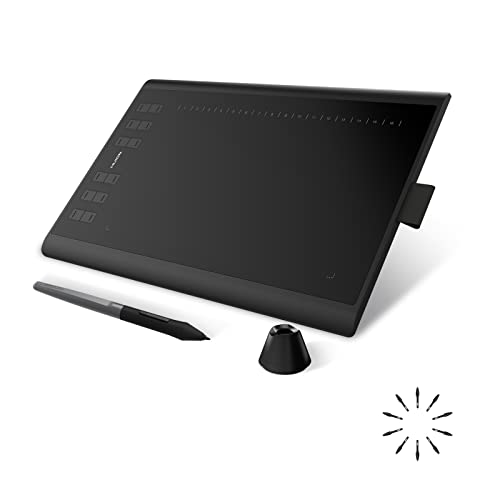
- 10 x 6.25 inch active area
- Battery-free pen with 60° tilt
- 12 press keys + 16 soft keys
Best For: Artists who want a larger pen tablet with shortcut-heavy control
Compact Budget Tablet
XP-Pen StarG640 6x4 Drawing Tablet
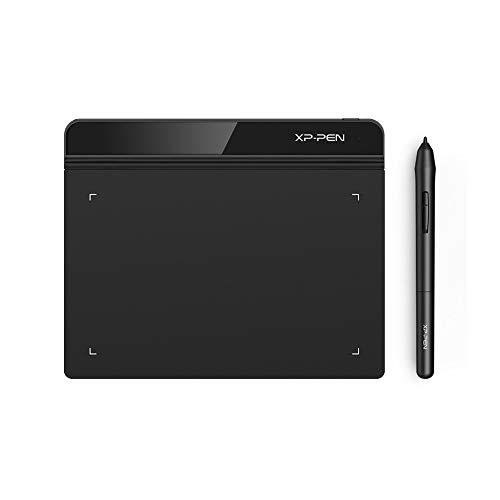
- 6 x 4 inch active area
- Battery-free stylus pen
- Works with Chromebook, Mac, and Windows
Best For: Students and remote workers who need a slim, portable tablet
Portable Shortcut Tablet
HUION H640P 6x4 Drawing Tablet

- 6 customizable shortcut keys
- Battery-free PW100 stylus
- Ultra-thin 0.3-inch portable design
Best For: Beginners and travelers who want a compact tablet with shortcuts
Compact Starter Tablet – Wacom Intuos Small Wired Graphic Drawing Tablet
If you want a dependable entry point into drawing tablets, the Wacom Intuos Small keeps things simple and focused. Its battery-free EMR pen, 4,096 pressure levels, and 6″ x 3.7″ active area make it a practical choice for sketching, photo edits, and basic design work.
Best For: Students, teachers, and beginners who want a compact wired tablet with Wacom pen feel.
Pros:
- Battery-free pen with Wacom EMR technology for a natural pen-on-paper feel
- Works with Windows, Mac, Android, and Chromebook
- Includes 4 ExpressKeys for shortcuts and workflow control
- Software and training are included with registration
Cons:
- Small active area may feel cramped for larger hand movements
- Requires a wired USB-A connection
This is a strong pick if you value reliability and portability over a large canvas. For many first-time buyers, the Wacom Intuos Small offers the most straightforward path into digital art.
Large Workspace Pick – UGEE M708 10×6 Drawing Tablet
The UGEE M708 is a solid option if you want more room to move when using drawing tablets. Its 10 x 6 inch active area, 16,384 pressure levels, and 8 customizable express keys give you a roomy, control-friendly setup for sketching, painting, and design work.
Best For: Budget-minded artists and beginners who want a large active area and customizable shortcuts.
Pros:
- Large 10 x 6 inch active drawing space with a papery texture surface
- 16,384 pressure levels for detailed line variation
- 8 customizable express keys for faster workflow
- Compatible with Windows, Mac, Android, Chrome OS, and Linux
Cons:
- Uses a wired USB connection
- Designed for computer use, not as a standalone tablet
For the price-focused buyer who still wants plenty of room to draw, this model checks the main boxes. It is especially appealing if shortcut keys and broad software compatibility matter more than portability.
Wireless Upgrade Choice – Wacom Intuos Medium Bluetooth Tablet
For buyers comparing drawing tablets and wanting a little more freedom, the Wacom Intuos Medium adds Bluetooth to Wacom’s familiar pen feel. It keeps the battery-free EMR stylus and supports both wireless and USB-A connection, which makes it easy to move between a desk, couch, or classroom setup.
Best For: Creators who want a medium-size Wacom tablet with wireless Bluetooth connectivity.
Pros:
- Wireless Bluetooth connectivity plus optional USB-A wired use
- Battery-free EMR pen technology with Wacom’s pen-on-paper feel
- Works with creative software for drawing, editing, and design
- Includes software and training with registration
Cons:
- No active area or pressure specs were provided in the supplied notes
- Still depends on a computer for use
This is the more flexible sibling to the small Intuos model and is well suited to users who want room to work without giving up portability. If wireless convenience matters, it is an easy tablet to place high on the shortlist.
Pen Display Upgrade – HUION Kamvas 13 Gen 3 Drawing Tablet
If you want drawing tablets with a built-in screen, the HUION Kamvas 13 (Gen 3) stands out with a fully laminated 13.3-inch display and anti-sparkle Canvas Glass 2.0. It is built for connected creative work, offering 16,384 pressure levels, strong color coverage, and a streamlined shortcut layout for artists and designers.
Best For: Artists and illustrators who want a color-accurate pen display for a connected workflow.
Pros:
- Fully laminated 13.3-inch screen with Canvas Glass 2.0 to reduce glare
- 16,384 pressure levels and 2g initial activation force for natural input
- 99% sRGB coverage and factory color calibration report
- USB-C single cable support plus 5 shortcut keys and dual dial buttons
Cons:
- Not a standalone device; it must connect to a computer or laptop
- Full-featured USB-C cable is sold separately
For creators who prefer drawing directly on a display, this model brings together workflow controls and color-focused specs in one package. It is a strong fit for animation, design, and painting work where visual accuracy matters.
Screen-Ready Artist Tablet – XP-PEN Artist12 11.6" FHD Display
If you want a practical drawing tablet with a built-in display, the XP-PEN Artist12 is a compact entry point for sketching, photo editing, and online teaching. Its 11.6-inch FHD IPS screen, 8192 levels of pressure sensitivity, and battery-free pen make it a solid fit for artists who want direct pen-on-screen control without a huge desktop setup.
Best For: Students, teachers, and beginners who want a small pen display for connected PC or Mac use.
Pros:
- 11.6-inch 1920×1080 IPS display with 72% NTSC color gamut and anti-reflective screen protector
- Battery-free P06 pen with eraser and 8192 pressure levels for drawing and editing
- 6 customizable shortcut keys plus a programmable touch bar for zooming and scrolling
- Works with Windows, Mac, and Linux, and supports common creative apps
Cons:
- Must stay connected to a computer to work
- Requires HDMI and USB-A ports, or an extra adapter if your device lacks them
As drawing tablets go, this model is best when you want a screen-based workflow at a relatively modest size. It is especially appealing for school, remote work, and artists who value direct interaction more than portability.
Beginner-Friendly Shortcut Tablet – XPPen Deco 01 V3 10×6
The XPPen Deco 01 V3 is a straightforward drawing tablet for beginners who want a larger active area and an easy setup. With a 10 x 6.25-inch surface, 16K pressure levels, and a battery-free stylus, it is built to make sketching, shading, and note-taking feel natural without adding charging hassles.
Best For: New digital artists, students, and Android users who want a simple, portable pen tablet.
Pros:
- 16,384 pressure levels and 60-degree tilt support for smoother line work and shading
- 8 customizable shortcut keys for right- and left-handed users
- Compatible with Windows, Mac, Chrome OS, Linux, and Android 10.0+
- USB-C to USB-C support plus adapters for easier device connections
Cons:
- Does not include a built-in display
- Android use depends on supported device setup and app mapping
This is a strong pick if you want drawing tablets that emphasize ease of use and portability over screen-based drawing. The large surface area and battery-free pen make it approachable for practice, schoolwork, and everyday creative use.
Standalone Creative Tablet – PicassoTab X11 11" No-Computer Model
The PicassoTab X11 stands out among drawing tablets because it works as a fully standalone device, so you do not need a computer to start drawing. Its laminated 11-inch 2K screen, 4096-level stylus, and preloaded creative apps make it a convenient all-in-one option for sketching, animation, and guided learning.
Best For: Beginners and students who want an all-in-one drawing tablet with built-in apps and no computer requirement.
Pros:
- Standalone tablet with no computer needed
- 11-inch laminated 2K display with reduced parallax and glare
- 4096-level pressure-sensitive stylus for sketching and shading
- Includes bonus apps, tutorial access, case, glove, adapter, and screen protector
Cons:
- Stylus pressure level is lower than some competing pen displays
- Built around its own tablet OS rather than a desktop workflow
If you want drawing tablets that are easy to pick up and use right away, this one is designed for that purpose. The built-in lessons, app bundle, and hardware specs make it especially practical for newer creators who want fewer setup steps.
Large-Workspace Pen Tablet – HUION Inspiroy H1060P 10×6.25 Drawing Tablet
If you want drawing tablets with a roomy surface and a practical shortcut layout, the HUION Inspiroy H1060P is built for everyday digital art, writing, and design work. Its 10 x 6.25 inch active area gives you more room to move, while the battery-free pen and 8192 pressure levels help keep strokes responsive and natural.
Best For: Artists and hobbyists who want a larger pen tablet with lots of shortcut control.
Pros:
- 10 x 6.25 inch working area offers a comfortable, spacious drawing surface.
- Battery-free stylus supports 60° tilt and 8192 pressure levels.
- 12 programmable press keys plus 16 soft keys help speed up workflow.
- Works with Windows, macOS, Android, and Linux (with Xorg on Ubuntu).
Cons:
- Requires a USB adapter for Mac connections.
- iPhone and iPad are not supported.
- Some Samsung Galaxy S series users may not see the cursor.
The H1060P is a strong pick if you want a larger, feature-rich pen tablet without moving into a display model. Its wide compatibility and customizable keys make it versatile for beginners and more experienced users alike.
Compact Budget Tablet – XP-Pen StarG640 6×4 Drawing Tablet
For buyers comparing drawing tablets for note-taking, sketching, and remote work, the XP-Pen StarG640 focuses on portability and simple everyday use. Its 6 x 4 inch active area and battery-free stylus make it a lightweight replacement for a mouse, especially if you need something easy to carry between home, class, and work.
Best For: Students, teachers, and mobile users who want a slim, portable tablet for drawing and productivity.
Pros:
- Battery-free PN01 stylus does not need charging.
- Very slim 2 mm profile makes it easy to carry.
- Compatible with Windows, Mac, and Chromebook.
- Useful for drawing, E-signatures, teaching, remote work, and Office apps.
Cons:
- 6 x 4 inch active area is small for broad illustration work.
- Designed more as an entry-level, multipurpose tablet than a large art workspace.
The StarG640 is a practical option if portability matters more than screen size. It covers digital art basics and everyday tasks well, making it a strong compact choice for light creative work and collaboration.
Portable Shortcut Tablet – HUION H640P 6×4 Drawing Tablet
If you’re shopping for drawing tablets that can also handle notes, signatures, and everyday navigation, the HUION H640P is built around portability and workflow control. It uses a battery-free PW100 stylus, 8192 pressure levels, and six customizable keys, so it works well for sketching, editing, and quick switching between common commands.
Best For: Beginners and on-the-go users who want a compact tablet with useful shortcut keys.
Pros:
- 6 customizable press keys let you assign common shortcuts.
- Battery-free stylus with 8192 pressure levels and 5080 LPI resolution.
- Lightweight, ultra-portable design at 0.3 inches thin and 0.61 lbs.
- Compatible with Mac, Windows, Linux, and Android devices.
Cons:
- 6 x 4 inch active area may feel small for detailed large-format work.
- Does not support iPhone or iPad.
The H640P is a sensible everyday pen tablet if you want a small footprint without giving up shortcut customization. It is especially appealing for sketching on the go, taking notes, or replacing the mouse with more precise pen control.
How We Picked These Drawing Tablets
We selected a mix of pen tablets, pen displays, and standalone models to cover different budgets and use cases. Priority went to devices with reliable pressure sensitivity, comfortable active areas, useful shortcut controls, broad compatibility, and strong value for everyday creative work.
We also considered how easy each tablet is to learn, since many buyers want Drawing Tablets that work well for beginners but still scale with growing skills.
Quick Comparison
If you want the simplest setup, a non-screen pen tablet is usually the most affordable and portable choice. If you prefer drawing directly on the image, a pen display can feel more intuitive but adds cost and cables. Standalone tablets are the most convenient for drawing anywhere because they do not need a computer.
Key Buying Factors for Drawing Tablets
Screen Type
Decide first whether you want a screenless tablet, a pen display, or a standalone device. Screenless Drawing Tablets are great for students and budget buyers. Pen displays suit artists who prefer a direct on-canvas experience. Standalone models are best for travel and casual sketching without a laptop.
Size and Active Area
Smaller tablets are easier to carry and fit into compact workspaces. Larger active areas offer more arm movement and can feel better for detailed illustration. If you draw for long sessions, the extra room can improve comfort.
Pressure, Pens, and Shortcut Controls
Higher pressure sensitivity helps with line variation and shading control, while battery-free pens reduce maintenance. Shortcut keys, dials, and touch controls can speed up common tasks like undo, zoom, and brush changes.
Compatibility and Setup
Check support for your operating system and the apps you use most. Some Drawing Tablets are plug-and-play, while others benefit from driver installation and calibration. If you switch between devices, wireless support can be a real convenience.
Who Should Buy Which Drawing Tablets?
Beginners and students usually get the best value from compact or mid-size pen tablets. Artists who want a more natural drawing feel may prefer a pen display. If portability matters most, look for a lightweight tablet with wireless support or a standalone design. For larger workspaces and faster workflows, choose a bigger active area with programmable keys.
In short, the best Drawing Tablets are the ones that match your workspace, drawing style, and budget—not just the highest spec sheet. Focus on the features you will actually use every day.
