The right microphone can make spoken-word audio sound fuller, cleaner, and more consistent—whether you record a studio podcast, stream from a bedroom, or produce interviews on the go.
We selected 10 dynamic models across USB, XLR, and hybrid designs, focusing on voice clarity, background-noise control, connection options, and practical value for modern creators.
Best 10 Dynamic Microphone for Broadcast Podcasting Picks for 2026
Best Premium Pick
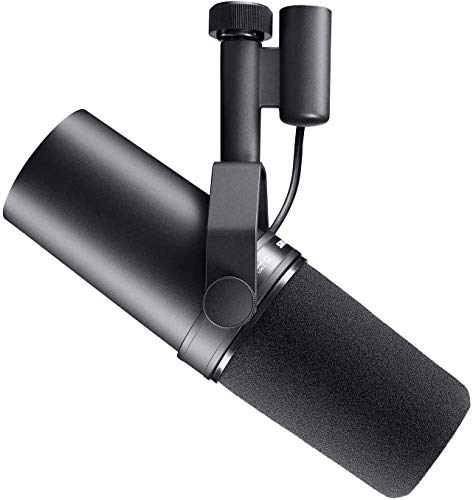
- Warm, balanced vocal sound
- Built-in pop filtering and shock isolation
- Requires XLR and substantial gain
Best For: Professional podcasting, broadcasting, and voiceover
Best Purpose-Built PodMic

- Speech-tuned broadcast capsule
- Internal pop filter and shock mounting
- Requires an XLR interface or mixer
Best For: XLR podcasting and streaming in untreated rooms
Best Flexible Starter

- USB-C and XLR connectivity
- Includes stand, windscreen, and cables
- Easy computer-friendly setup
Best For: Beginners and upgrade-minded podcasters
Best Isolation-Focused Option
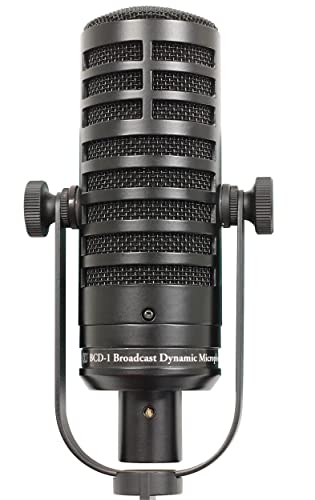
- High output with warm, rich tones
- Side rejection improves isolation
- Internal shock mount and pop filter
Best For: Broadcast vocals in noisy or reflective environments
Best Hybrid Value
FIFINE AM8 USB/XLR Dynamic Microphone

- USB and XLR connections
- Built-in mute and monitoring
- Cardioid pickup for focused speech
Best For: Beginner creators planning a future XLR upgrade
Best Traditional Broadcast Build
Shure MV7X XLR Dynamic Podcast Microphone

- Focused cardioid voice capture
- Integrated shock mount
- Durable all-metal construction
Best For: XLR-based podcast and broadcast studios
Best DSP Flexibility
RØDE PodMic USB Dynamic Broadcast Microphone

- USB-C and XLR outputs
- APHEX DSP over USB
- Zero-latency headphone monitoring
Best For: Speech creators switching between USB and XLR setups
Best Value USB/XLR Pick

- USB and XLR connectivity
- Built-in mute, gain, and headphone controls
- Includes windscreen and shock mount
Best For: Flexible podcast and streaming setups
Best Complete Desktop Kit

- USB/XLR dual-mode operation
- Zero-latency headphone monitoring
- Includes stand, shock mount, pop filter, and cables
Best For: Ready-to-record desktop podcasting
Best Wireless Upgrade
MAONO PD200W Hybrid Wireless Mic

- Wireless, USB, and XLR connectivity
- Supports two-mic wireless podcast conversations
- Up to 60 hours of battery life
Best For: Mobile podcasting and interviews
Best Premium Pick – Shure SM7B
The Shure SM7B is a premium dynamic microphone for broadcast podcasting, designed for warm, balanced vocals and close-mic speech. Its cardioid pickup, built-in pop filtering, shock isolation, and electromagnetic shielding help produce polished audio in studio, streaming, and broadcast environments. Because it uses XLR connectivity and benefits from at least 60 dB of gain, it is best paired with a suitable interface, mixer, or preamp.
Best For: Podcasters, broadcasters, voiceover artists, and streamers seeking customizable, studio-quality vocal sound.
Pros:
- Warm, clear vocal response suited to speech, singing, and voiceover.
- Cardioid pickup, shock isolation, and shielding help reduce room noise, vibration, and interference.
- Built-in pop filtering and included windscreens help control plosives and breath noise.
- Rugged metal construction with an included locking yoke mount.
Cons:
- Requires an XLR interface or mixer and substantial gain for its characteristic output.
- Heavier and more expensive than simpler podcasting microphones.
The SM7B is a strong long-term choice when broadcast-grade vocal control and flexible XLR processing matter more than plug-and-play simplicity.
Best Purpose-Built PodMic – RØDE PodMic
The RØDE PodMic is a focused dynamic microphone for broadcast podcasting with a speech-tuned capsule and cardioid pattern. It is designed to reject room noise in untreated spaces, while its internal pop filter and shock mounting help manage plosives and desk thumps. This is an XLR microphone, so it needs an audio interface, mixer, or RØDECaster.
Best For: Podcasters and streamers who want a durable, speech-focused XLR microphone with built-in noise and plosive control.
Pros:
- Broadcast-quality dynamic capsule tuned for spoken voice.
- Cardioid pickup helps reject room noise in untreated spaces.
- Internal pop protection and shock mounting reduce plosives and desk thumps.
- All-metal construction with an integrated swing mount.
Cons:
- Not a USB microphone; an XLR interface or mixer is required.
- Its speech-focused design is less versatile for users wanting broad instrument-recording applications.
The PodMic offers a practical broadcast setup for creators who already have XLR equipment or plan to build around a RØDECaster-style system.
Best Flexible Starter – Samson Q2U
The Samson Q2U is a flexible dynamic microphone for broadcast podcasting that supports both USB-C and XLR connections. It can plug directly into a computer with a USB-C interface or connect to traditional recording equipment through XLR, making it useful for beginners and creators who may upgrade their setup later. The package also includes a desktop tripod stand, extension, clip, windscreen, and both USB-C and XLR cables.
Best For: First-time podcasters and creators who want both computer-friendly USB-C recording and a future XLR upgrade path.
Pros:
- Offers both USB-C and XLR connectivity.
- Includes a desktop tripod stand, extension, clip, windscreen, and two cables.
- Unidirectional dynamic design suits podcasting and recording.
- Compact, lightweight metal construction.
Cons:
- Its stated frequency range is narrower than some broadcast-focused studio microphones.
- The included desktop stand may be less suitable for elaborate multi-person or boom-arm setups.
The Q2U is a sensible entry point when easy computer connection matters, while the added XLR output preserves room to expand into a more traditional studio chain.
Best Isolation-Focused Option – MXL BCD-1
The MXL BCD-1 is a dynamic microphone for broadcast podcasting that emphasizes high output, low noise, and isolation. Its unidirectional pattern provides side rejection, while the internal shock mount and pop filter help reduce handling noise and plosives. The tuned grille is designed to eliminate internal reflections, and the microphone connects through XLR to compatible recording equipment.
Best For: Broadcasters and podcasters who need side rejection, warm vocal tone, and built-in noise-reduction features.
Pros:
- High-output dynamic design with warm, rich vocal tones.
- Excellent side rejection can improve isolation.
- Internal shock mount and pop filter help reduce noise and plosives.
- Built-in swivel mount supports positioning, and a carrying case is included.
Cons:
- Uses XLR connectivity rather than direct USB computer connection.
- The supplied details list phantom power as its power source, so system compatibility should be checked before purchase.
- The optional BCD-Stand is not included.
The BCD-1 is worth considering when isolation and a warm broadcast character are priorities, particularly in a setup already equipped for wired recording.
Best Hybrid Value – FIFINE AM8 USB/XLR Dynamic Microphone
The FIFINE AM8 is a practical dynamic microphone for broadcast podcasting when you want both plug-and-play USB convenience and an upgrade path to XLR. Its cardioid pickup, onboard mute, headphone monitoring, and gain control make it flexible for home recording, streaming, and gaming.
Best For: Beginner creators who want USB simplicity now and optional XLR connectivity later.
Pros:
- USB and XLR connectivity support different recording setups.
- Cardioid pickup helps reject off-axis noise and keep speech focused.
- USB mode includes tap-to-mute, headphone monitoring, volume control, and gain control.
- Built-in 3/8-inch and 5/8-inch threads fit many microphone stands.
Cons:
- XLR cable is not included.
- RGB and function controls work only over USB.
- The recommended recording distance is relatively close at 2 to 6 inches.
The AM8 stands out for versatility rather than a strictly studio-focused design. It is a strong fit if you expect to begin with USB and may later add an interface or mixer.
Best Traditional Broadcast Build – Shure MV7X XLR Dynamic Podcast Microphone
The Shure MV7X is a focused dynamic microphone for broadcast podcasting built around a professional XLR workflow. Its cardioid design, integrated shock mount, adjustable yoke, and all-metal construction suit spoken-word recording through an audio interface or mixer.
Best For: Podcasters and broadcasters who already use, or plan to use, an XLR interface or mixer.
Pros:
- Voice-isolation technology helps reduce room noise and background distractions.
- Integrated shock mount helps limit unwanted vibrations.
- All-metal construction and adjustable yoke provide a durable, professional setup.
- Included 3/8-inch adapter supports compatibility with many stands and boom arms.
Cons:
- XLR-only connectivity requires an audio interface or mixer.
- It does not offer direct USB connection for plug-and-play recording.
- The supplied notes do not list onboard headphone monitoring or mute controls.
The MV7X is the straightforward choice for a traditional XLR studio chain. Choose it when durable construction and focused spoken-word capture matter more than USB convenience.
Best DSP Flexibility – RØDE PodMic USB Dynamic Broadcast Microphone
The RØDE PodMic USB combines USB-C and XLR in a broadcast-focused design, making it a versatile dynamic microphone for broadcast podcasting. USB mode adds onboard APHEX DSP, while the headphone output provides zero-latency monitoring for direct, convenient recording.
Best For: Podcasters and streamers who want USB convenience, XLR flexibility, and hardware-assisted speech processing.
Pros:
- Built-in USB-C and XLR outputs support computer and interface workflows.
- APHEX DSP over USB adds compression and presence controls through the free app.
- Broadcast dynamic capsule helps reject keyboard noise and room echo.
- Zero-latency headphone monitoring and included swing mount support an efficient setup.
Cons:
- Its 1.9-pound metal construction may be relatively heavy for some arms or stands.
- Advanced APHEX processing is available over USB, not described for XLR operation.
- It is primarily designed for speech applications rather than a general-purpose instrument microphone.
The PodMic USB is especially compelling for creators moving between computer recording and interface-based production. Its DSP and direct monitoring give USB users more control without removing the option to use XLR later.
Best Value USB/XLR Pick – FIFINE AmpliTank K688
The FIFINE AmpliTank K688 is a practical dynamic microphone for broadcast podcasting when you want both simple USB recording and a future-ready XLR connection. Its cardioid pickup pattern helps reduce nearby computer and hard-drive noise, while the metal construction and 130dB SPL handling support clean vocal recording.
Best For: Podcasters and streamers who want USB convenience, XLR flexibility, and built-in recording controls.
Pros:
- USB and XLR outputs support computer or studio setups.
- Front mute, gain control, headphone monitoring, and volume adjustment are available in USB mode.
- Includes a windscreen and shock mount to help reduce plosives and desk vibration.
- Cardioid pickup and a signal-to-noise ratio above 80dB support clear vocal capture.
Cons:
- Boom arm, microphone stand, and XLR cable are not included.
- Mute, gain, and headphone controls work only through USB.
- The microphone should be used at a close distance for best results.
The K688 is a strong all-around choice for creators who want an easy plug-and-play workflow now without giving up the option to move to an audio interface later. Budget separately for an XLR cable and mounting solution if you plan to use it in a studio setup.
Best Complete Desktop Kit – MAONO HD300T
The MAONO HD300T is a convenient dynamic microphone for broadcast podcasting that includes the core accessories needed for a desktop recording setup. Its USB/XLR dual-mode design works with a computer or an audio interface, while the cardioid capsule focuses on voices and helps limit room reflections and background noise.
Best For: New podcasters, streamers, and home creators who want a ready-to-use desktop microphone kit.
Pros:
- Supports plug-and-play USB recording and professional XLR connections.
- Built-in headphone monitoring and volume control provide zero-latency monitoring in USB mode.
- Includes a metal desktop stand, shock mount, pop filter, USB cable, and XLR cable.
- Cardioid dynamic capture is suited to podcasts, voiceovers, singing, and online meetings.
Cons:
- Zero-latency monitoring and the integrated volume control are specified for USB mode.
- The desktop stand may be less suitable than a boom arm for larger or more adjustable setups.
For buyers who do not want to assemble a microphone setup piece by piece, the HD300T offers especially straightforward value. It is a sensible starting point for desktop podcasting and can remain useful if you later add an audio interface.
Best Wireless Upgrade – MAONO PD200W Hybrid Wireless Mic
The MAONO PD200W brings unusual flexibility to a dynamic microphone for broadcast podcasting, offering wireless, USB, and XLR connections in one microphone. Its cardioid capsule, three-stage noise cancellation, and 82dB signal-to-noise ratio are designed for focused vocals, while the wireless system supports mobile recording and duo conversations.
Best For: Mobile creators, interviewers, and podcasters who need wireless freedom alongside USB and XLR studio options.
Pros:
- Supports wireless, USB, and XLR recording workflows.
- A single receiver can connect two wireless microphones for duo podcasts and interviews.
- Offers up to a 60m wireless range and up to 60 hours of battery life with RGB off.
- MaonoLink provides preset modes and adjustable EQ and reverb through compatible computers or smartphones.
Cons:
- Camera and Lightning accessories are sold separately.
- Wireless operation requires charging, unlike a purely wired microphone.
- Its broader feature set may be more than needed for a fixed desktop podcast station.
The PD200W is the most versatile option here for creators who record in multiple locations or regularly host interviews. Choose it when wireless range, dual-mic conversations, and app-based sound customization matter as much as conventional USB/XLR connectivity.
How We Picked the Best Dynamic Microphone for Broadcast Podcasting
We compared these microphones by looking at the factors that matter most for spoken-word recording: vocal clarity, off-axis noise rejection, connectivity, gain requirements, monitoring features, build quality, and setup flexibility. A strong Dynamic Microphone for Broadcast Podcasting should deliver a focused voice signal without demanding a perfectly treated room, while still offering enough control for editing, mixing, or live production.
We also included a range of prices and configurations. Some models are designed for traditional XLR interfaces, others connect directly by USB, and several support both. That makes the list useful for first-time podcasters as well as creators upgrading an established setup.
Quick Comparison
| Best For | Connection | What to Look For |
|---|---|---|
| Professional studio podcasting | XLR | High-quality preamp and controlled acoustic space |
| Simple computer recording | USB | Plug-and-play setup, headphone monitoring, level control |
| Flexible upgrades | USB/XLR | Use now with USB and later with an audio interface |
| Streaming and gaming | USB/XLR | Easy controls, desk mounting, and noise rejection |
| Portable or unusual recording locations | Hybrid or wireless | Battery life, reliable transmission, and backup connectivity |
Key Buying Factors for a Dynamic Microphone for Broadcast Podcasting
Connection and Compatibility
XLR microphones require an audio interface, mixer, or recorder, but they offer a dependable upgrade path and more control over gain and processing. USB models connect directly to a computer and are usually easier for solo creators. A USB/XLR microphone provides both convenience and long-term flexibility. Before buying, confirm that the included cable, connector, and any required adapter suit your computer or interface.
Gain Requirements
Many broadcast-style dynamics have relatively low output and may need substantial clean gain. Check whether your interface can provide enough level without hiss, or budget for an inline preamp or suitable booster. USB versions typically include their own internal preamp, which can simplify setup.
Room Noise and Microphone Technique
Dynamic capsules generally reject more ambient sound than sensitive condenser designs, making them a practical choice for untreated rooms. They still perform best when positioned close to the speaker, aimed correctly, and paired with a pop filter or windscreen. Consistent distance matters as much as microphone specifications.
Monitoring and Controls
For direct computer recording, a headphone output with zero-latency monitoring can help prevent distracting delay. Mute buttons, onboard gain controls, and software controls are useful for live streaming, but they should not outweigh core voice quality and reliable construction.
Who Should Buy Which Dynamic Microphone for Broadcast Podcasting?
- Choose an XLR-focused model if you already own an interface and want a straightforward studio signal chain.
- Choose USB/XLR if you want to start simply but may add an interface, mixer, or multi-microphone setup later.
- Choose a USB model if you record directly into a computer and value fast setup over extensive hardware control.
- Choose a gaming-oriented option if streaming controls, desk compatibility, and easy monitoring are priorities.
- Choose a wireless hybrid microphone when mobility matters, but verify battery management, range, and whether wired operation remains available as a backup.
Finally, budget for the complete setup rather than the microphone alone. A stable boom arm or stand, pop filter, suitable cable, and headphones can make a larger practical difference than a small specification advantage. The best Dynamic Microphone for Broadcast Podcasting is the one that matches your room, connection hardware, speaking style, and expected upgrade path.
