Wide field-of-view VR can make games, simulators, and virtual experiences feel noticeably more natural and enveloping. If you want less tunnel vision and a more immersive view, the right headset matters.
This roundup of the best VR headsets with wide FOV in 2026 focuses on clarity, comfort, tracking, compatibility, and value across premium and budget-friendly options.
Best 10 Vr Headsets with Wide Fov Picks for 2026
Ultrawide Simulator Pick
Pimax Crystal Super VR Headset

- 140° FOV for broad simulator awareness
- 3840x3840 per-eye resolution with 50 PPD
- Wired PC VR with eye tracking and local dimming
Best For: PC sim racers and flight sim users who want maximum width and sharpness
Mixed Reality Workhorse
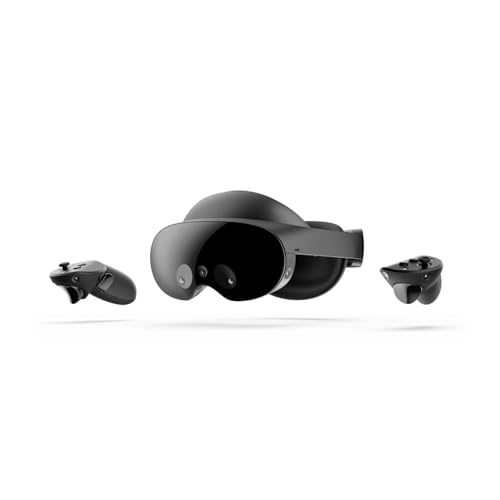
- 106° FOV with color passthrough
- Pancake lenses and quantum dot clarity
- Built for work, creativity, and collaboration
Best For: Mixed reality users who want comfort and productivity features
Clarity-First Wide View
Pimax Crystal Super Micro-OLED

- 116° horizontal FOV with less tunnel effect
- Micro-OLED panels and 3840x3552 per eye
- Eye tracking and 90Hz for PC VR sims
Best For: PC sim and gaming users who want clarity with a wide view
Budget Phone VR Pick

- 90°-110° FOV for mobile VR viewing
- Fits many 4.7-7.2 inch iPhone and Android phones
- Bluetooth controller and lightweight build
Best For: Casual users and families looking for low-cost phone VR
Premium Standalone XR
HTC Vive XR Elite for Mixed Reality & PC VR

- 110-degree field of view
- Adjustable IPD and diopter dials
- PC-VR and standalone support
Best For: Portable mixed reality users who want adjustable optics and PC-VR flexibility
Budget Smartphone VR
Wide-FOV Mobile VR Headset with Hi-Fi Audio
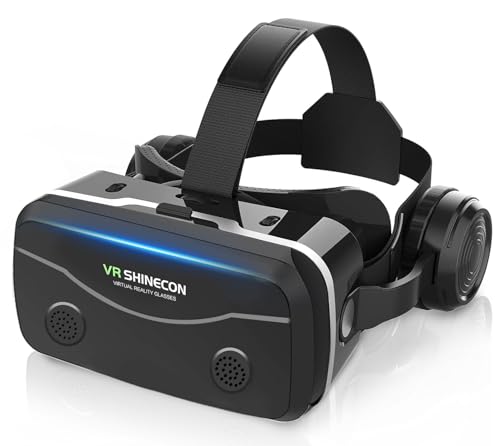
- 120-degree wide field of view
- Built-in stereo headphones
- Fits many Android and iOS phones
Best For: Beginners looking for an affordable wide-FOV mobile VR option
Mixed Reality Learning Pick
Meta Quest Pro with VR Field Trips

- 110-degree field of view
- Pancake lenses and local dimming
- Includes VR field trips subscription
Best For: Premium mixed reality buyers who want clarity and learning content
Wide-Angle Phone VR Pick
120° Wide-Angle Gaming Headset

- 120-degree ultra-wide field of view
- Bluetooth controller included
- Breathable padding with adjustable fit
Best For: Smartphone users who want wide-view VR for movies and casual gaming
Portable Panoramic VR Option

- 360-degree panoramic viewing style
- Adjustable interpupillary distance
- Lightweight design for travel or home use
Best For: Gift shoppers and families who want an easy portable phone VR headset
Comfort-Focused Wide FOV Headset

- 120-degree field of view
- Light 13 oz design with adjustable fit
- Blue-light blocking lenses and glasses space
Best For: Users who want a lightweight phone VR headset with comfortable long-session wear
Ultrawide Simulator Pick – Pimax Crystal Super VR Headset
If you want vr headsets with wide fov for flight or racing sims, the Pimax Crystal Super is built around immersion and visual precision. Its 140° field of view, 3840×3840-per-eye resolution, and 50 PPD optics are aimed at reducing tunnel vision while keeping the image extremely sharp.
Best For: PC sim users who want maximum peripheral awareness, sharp detail, and eye-tracked VR on a wired DisplayPort setup.
Pros:
- 140° wide field of view helps expand peripheral vision in simulators.
- 3840×3840 per-eye resolution with aspherical lenses and 50 PPD for high clarity.
- Mini-LED local dimming and QLED display tech add strong brightness and contrast.
- Eye tracking, inside-out tracking, and up to 90Hz support fit demanding PC VR use.
Cons:
- Wired DisplayPort connection means it is not a standalone headset.
- Geared more toward sim and PC gaming than casual all-purpose use.
- Performance can depend on your GPU because it offers dynamic FOV optimization.
This is the most aggressively wide-view option in the group, and it is clearly tuned for users who value cockpit awareness and fine detail over convenience. If your priority is a premium simulator headset with a very broad view, it stands out immediately.
Mixed Reality Workhorse – Meta Quest Pro
The Meta Quest Pro is not the widest option among vr headsets with wide fov, but it is a strong pick if you care about mixed reality, comfort, and productivity features. Its 106° field of view is paired with full-color passthrough, pancake lenses, and high visual clarity for work, creativity, and gaming.
Best For: Users who want a premium mixed reality headset for multitasking, collaboration, and comfortable extended wear.
Pros:
- High-resolution color passthrough supports mixed reality use.
- Pancake lenses, local dimming, and quantum dot tech improve visual clarity.
- Counter-balanced ergonomics are designed for longer wear.
- Touch Pro Controllers add self-tracking cameras, finger tracking, and haptics.
Cons:
- 106° field of view is narrower than the widest PC VR headsets here.
- Requires a Meta account to use.
- Better suited to MR and productivity than ultra-wide simulator immersion.
If you want a headset that balances comfort, display quality, and mixed reality features, the Quest Pro remains compelling. It is less about the broadest field of view and more about polished all-around usability.
Clarity-First Wide View – Pimax Crystal Super Micro-OLED
This Pimax Crystal Super bundle is a smart pick if you want vr headsets with wide fov but care just as much about display quality. Its 116° horizontal field of view, Micro-OLED panels, and 3840×3552-per-eye resolution aim for a clear, immersive PC VR experience with less of the tunnel effect.
Best For: PC VR sim and gaming users who want a wide view with Micro-OLED contrast and sharp detail.
Pros:
- 116° horizontal FOV gives a wide, immersive view without feeling cramped.
- Micro-OLED displays and 3840×3552 per-eye resolution support razor-sharp image detail.
- 90Hz refresh rate helps reduce ghosting and eye strain.
- Eye tracking and 6DOF precision suit simulation-focused PC VR use.
Cons:
- The FOV is wide, but not as expansive as the 140° model in this roundup.
- Designed for PC VR and DisplayPort use, so it is not a standalone option.
- Bundle value depends on whether you want the included face cushion accessory.
Compared with the widest headset here, this model trades some field of view for a display technology that prioritizes contrast and sharpness. That makes it appealing if you want immersion, but you care even more about image quality.
Budget Phone VR Pick – TECKNET VR Headset
If you are shopping for vr headsets with wide fov on a budget, the TECKNET VR Headset is a simple phone-based option with a claimed 90°-110° field of view. It is designed for smartphones, with adjustable fit, anti-blue-light lenses, and a Bluetooth controller for basic interaction.
Best For: Families, kids, and casual users who want an inexpensive mobile VR headset for compatible phones.
Pros:
- 90°-110° FOV gives a broad mobile VR viewing range.
- Works with 4.7-7.2 inch phones across many iPhone and Android models.
- Bluetooth controller adds easier interaction for games and video use.
- Lightweight design with adjustable headband and soft foam mask.
Cons:
- It is a phone-based headset, not a PC VR or standalone system.
- Does not automatically convert ordinary video into 3D.
- Its experience depends on compatible apps and 3D or panoramic content.
This is the most accessible option in the lineup if you just want a simple way to try wide-FOV mobile VR. It is best viewed as a casual entertainment headset rather than a high-end VR platform.
Premium Standalone XR – HTC Vive XR Elite for Mixed Reality & PC VR
If you want vr headsets with wide fov that also stay portable, the HTC Vive XR Elite is built around a 110-degree field of view, a lightweight form factor, and mixed reality passthrough. It is aimed at buyers who want a compact headset for standalone use today, with the option to connect to a VR-ready PC for higher-fidelity PC-VR gaming.
Best For: Users who want a lightweight standalone XR headset with PC-VR support, adjustable optics, and mixed reality passthrough.
Pros:
- 110-degree field of view gives it a wide-view experience for VR and XR use.
- Adjustable IPD and diopter dials help fine-tune visual comfort and clarity.
- High-resolution XR passthrough and 6-DoF inside-out tracking support mixed reality use.
- PC-VR compatibility adds flexibility beyond standalone sessions.
Cons:
- Battery life is listed at about 2 hours, so longer sessions may need planning.
- Standalone storage is 128 GB, which is modest for a premium headset.
- Focuses more on portability than on the widest possible FOV in the category.
The Vive XR Elite makes sense if you value a sleek build, adjustable optics, and a wide-enough 110-degree view in a headset that can move between standalone and PC-connected use. It is a strong fit for mixed reality, gaming, and productivity-focused VR buyers.
Budget Smartphone VR – Wide-FOV Mobile VR Headset with Hi-Fi Audio
For shoppers comparing vr headsets with wide fov on a budget, this smartphone headset is centered on a 120-degree viewing angle, built-in hi-fi headphones, and broad phone compatibility. It is designed for easy mobile VR use, especially if you want an affordable way to turn a smartphone into a simple 3D movie and gaming setup.
Best For: Beginners who want a wide-FOV smartphone VR headset with built-in audio and simple controls.
Pros:
- 120-degree ultra wide angle is the strongest spec here for expansive viewing.
- Built-in 42mm hi-fi headphones add an all-in-one immersive setup.
- Compatible with many Android and iOS phones between 4.7 and 7.2 inches.
- Adjustable headband and cushioning are designed for longer wear.
Cons:
- It is a smartphone-based headset, not a standalone VR system.
- Listed refresh rate is 60 Hz, which is modest compared with higher-end headsets.
- Bluetooth controller is not included.
This model is best viewed as a simple, low-cost entry point into wide-FOV mobile VR rather than a premium all-in-one headset. If your priority is broad compatibility and an easy movie-and-gaming experience, it covers the basics well.
Mixed Reality Learning Pick – Meta Quest Pro with VR Field Trips
If you are shopping for vr headsets with wide fov, the Meta Quest Pro is more about premium mixed reality than extreme field-of-view numbers, but it still pairs a 110-degree field of view with advanced display and sensor hardware. This bundle adds a virtual reality field trips subscription, making it especially interesting for users who want immersive experiences that blend work, play, and learning.
Best For: Users who want a premium standalone mixed reality headset with strong visual clarity and an included educational VR subscription.
Pros:
- 110-degree field of view supports an immersive premium VR experience.
- Pancake lenses, local dimming, and quantum dot technology are aimed at visual clarity.
- 256 GB storage and 12 GB RAM provide substantial onboard hardware.
- Includes VR field trips content for learning-focused use.
Cons:
- FOV is 110 degrees, so it is not the widest option in this roundup.
- It is positioned as a premium device with more features than casual users may need.
- The bundle is geared toward mixed reality and learning, not only gaming.
The Quest Pro stands out when you want a high-end standalone headset with strong clarity, real-time passthrough, and extra content in the box. It is a good fit for buyers who care about mixed reality versatility as much as immersion.
Wide-Angle Phone VR Pick – 120° Wide-Angle Gaming Headset
If you want vr headsets with wide fov for casual gaming and movie watching, this phone-based option keeps the focus on comfort and convenience. It combines a 120-degree ultra-wide viewing angle, 1080P resolution support, aspheric lenses, and a Bluetooth controller so you can stay in the experience without constant headset removal.
Best For: Smartphone users who want a wide-view VR headset for movies, casual games, and longer sessions.
Pros:
- 120-degree ultra-wide angle for a more immersive viewing experience.
- Bluetooth controller included for playback and basic interaction.
- Breathable sponge padding and ventilation are designed for longer wear.
- Adjustable headband, IPD, and myopia support help fit different users.
Cons:
- Works with smartphones only, not standalone VR content.
- Best suited to 4.7-7 inch phones, so compatibility still needs checking.
- Wide-angle viewing is strong, but this is still a phone VR headset rather than a premium PC VR system.
This is a practical choice if you want an easy-entry wide-FOV headset with simple controls and comfort features. It is built more for accessible mobile VR than advanced performance, but the included controller and ventilation make it easy to recommend for relaxed use.
Portable Panoramic VR Option – 360° Viewing Phone Goggles
Among vr headsets with wide fov, this lightweight phone goggle model leans into simple panoramic immersion. It offers a 360-degree viewing style, a wide field of vision, adjustable interpupillary distance, and anti-blue-light lens support for users who want an easy, portable way to watch VR videos and play basic games.
Best For: Kids, adults, and gift shoppers looking for a lightweight phone VR headset with a wide panoramic feel.
Pros:
- 360-degree panoramic viewing is built for immersive video and scene-based content.
- Adjustable interpupillary distance helps dial in a clearer picture.
- Anti-blue-light lens design is meant to reduce eye fatigue.
- Lightweight, portable design works well for home or travel use.
Cons:
- The listed field of view is 90 degrees, which is narrower than some wide-FOV rivals.
- Uses a phone-based setup, so it depends on the quality of the inserted device.
- Features are centered on basic viewing rather than advanced VR performance.
This headset makes sense if you want a simple, budget-friendly VR starter with adjustable comfort features. It is less about technical depth and more about easy access to panoramic-style entertainment on a smartphone.
Comfort-Focused Wide FOV Headset – 120° Phone VR Goggles
If you are comparing vr headsets with wide fov for phone use, this model stands out for balancing immersion and everyday comfort. It uses a 120-degree field of view, anti-reflective and blue-light-blocking lenses, and an adjustable fit aimed at long movie sessions, casual gaming, and family-friendly use.
Best For: Phone VR shoppers who want a light, comfortable headset with a true wide field of view.
Pros:
- 120-degree field of view offers a strong mix of immersion and clarity.
- Lightweight 13 oz build makes it easier to carry and wear.
- Anti-reflective and blue-light-blocking coatings support longer viewing comfort.
- Extra space for prescription glasses and adjustable PD help with fit.
Cons:
- Designed for smartphones, not as a standalone headset.
- Interactive button is basic, so control options are limited.
- Best for 1080p phone content rather than high-end VR experiences.
For buyers who care more about wearability than flashy extras, this is an easy headset to consider. The wide 120-degree view and comfort-first design make it a practical pick for movies, simple games, and shared family use.
How We Picked the Best Vr Headsets with Wide Fov
We prioritized headsets with a genuinely wide viewing experience, strong image quality, and enough comfort for longer sessions. For Vr Headsets with Wide Fov, we also looked at lens quality, eye tracking, platform support, setup complexity, and whether the headset suits PC VR, standalone use, or smartphone-based viewing.
Quick Comparison
Use the highest-end models if your priority is maximum immersion and sharpness for sim racing or flight sims. Choose standalone mixed-reality headsets if you want flexibility and fewer cables. Smartphone headsets remain the lowest-cost path, but they usually trade away tracking, clarity, and overall polish.
Key Buying Factors for Vr Headsets with Wide Fov
Field of View Vs. Visual Clarity
A wider FOV can improve immersion, but it should not come at the cost of blurry optics or heavy distortion. Look for a balanced headset that pairs wide viewing angles with good lens design and high per-eye resolution.
Comfort and Weight Distribution
Because a wide-FOV headset often encourages longer sessions, fit matters. Adjustable straps, balanced weight, and face padding can make a bigger difference than raw specs alone.
Tracking and Input
If you play active games, robust motion tracking and responsive controllers are more important than FOV alone. For seated sim use, eye tracking and strong visual clarity may matter more than controller features.
Compatibility and Setup
Check whether the headset works with your PC, console, phone, or standalone apps. Some Vr Headsets with Wide Fov are best for advanced PC users, while others are designed for quick setup and casual use.
Use Case
Match the headset to your main activity. Sim racers and flight sim fans usually benefit most from premium optics and wider viewing angles. Mobile users may prefer affordable models for movies and casual gaming.
Who Should Buy Which Vr Headsets with Wide Fov?
If you want the most immersive experience for PC gaming or sims, look at premium wide-FOV models first. If you want versatility, a standalone headset is the safer all-around choice. If your goal is family entertainment or occasional mobile VR, a simpler smartphone headset can still be a practical pick.
In short, start with your budget, then narrow by platform, comfort, and how much visual immersion you actually need.
